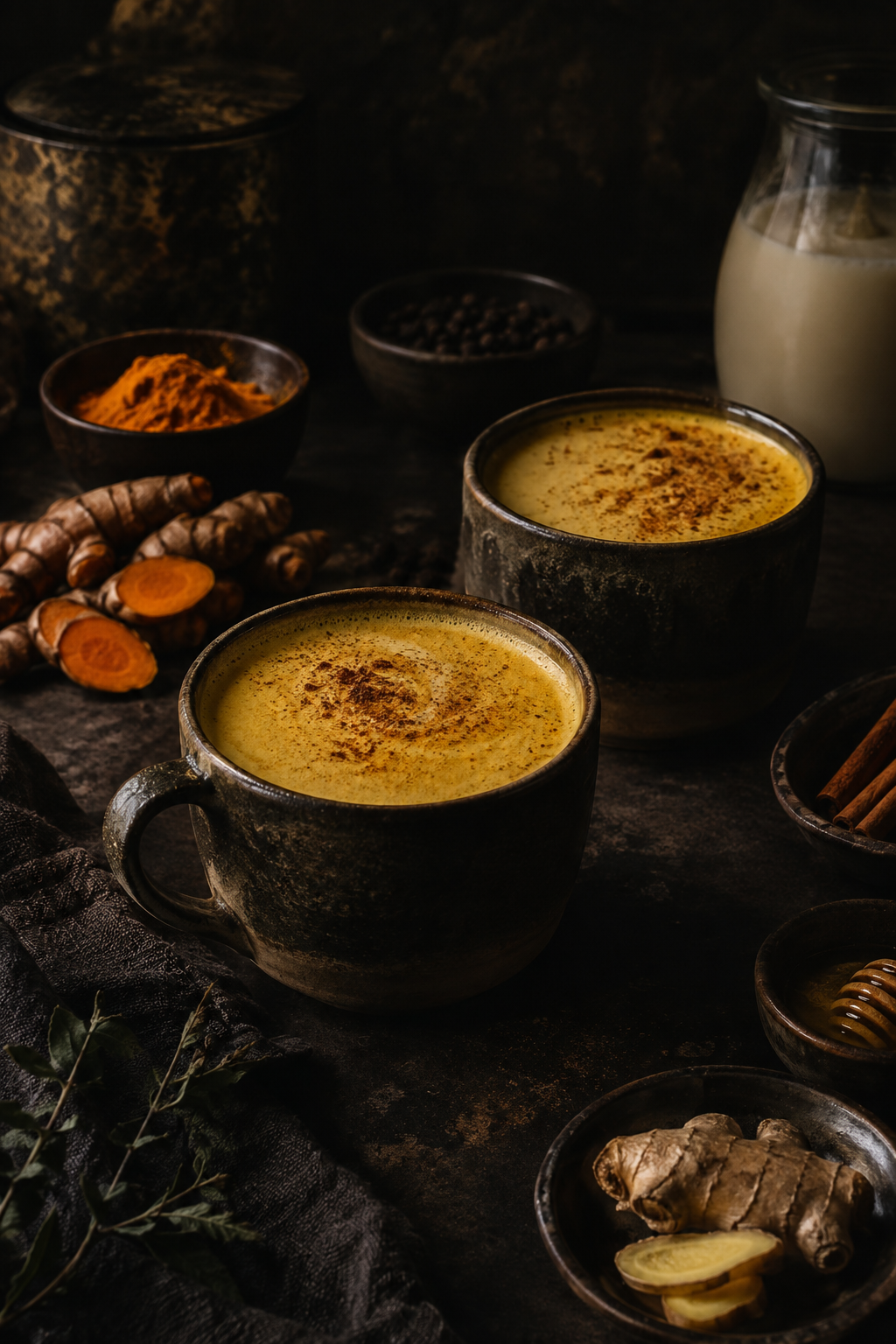
Functional foods: Food with a purpose
The most compelling products start with a real consumer need, select ingredients intentionally, formulate around the entire food system, validate the science, understand the regulatory landscape, and create something people genuinely want to eat.
Functional foods represent a fundamental shift in how products are conceived, from “does this product taste good?” to “what purpose does this product serve?”
Rather than asking consumers to abandon foods they love in the name of wellness, food developers can ask, “Can we make the food itself more nutritionally purposeful?”
Find out what functional foods are, why consumers are seeking them, and what the category means for the future of food innovation.

Flavor, Decoded: The Chemistry Behind What We Taste
The Bigger Lesson for Food Brands
For emerging CPG brands, “natural flavor” and “artificial flavor” can seem like simple marketing categories. From an R&D perspective, they're anything but simple. Behind a single flavor descriptor may be chemistry, sensory science, ingredient sourcing, processing, formulation, stability, regulatory considerations, and consumer perception.
Understanding that complexity can help brands make better formulation decisions.
Instead of asking “should we use a flavoring?” A better question might be “what sensory experience are we trying to create, and what is the most appropriate way to achieve it?” This opens up a much more productive product-development conversationThe Bigger Lesson for Food Brands
For emerging CPG brands, “natural flavor” and “artificial flavor” can seem like simple marketing categories. From an R&D perspective, they're anything but simple. Behind a single flavor descriptor may be chemistry, sensory science, ingredient sourcing, processing, formulation, stability, regulatory considerations, and consumer perception.
Understanding that complexity can help brands make better formulation decisions.
Instead of asking “should we use a flavoring?” A better question might be “what sensory experience are we trying to create, and what is the most appropriate way to achieve it?” This opens up a much more productive product-development conversation.

The Secret Language of Food Labels
How to distinguish label claims, functional ingredients, additives, processing aids, and colors without falling for ingredient-list fearmongering.
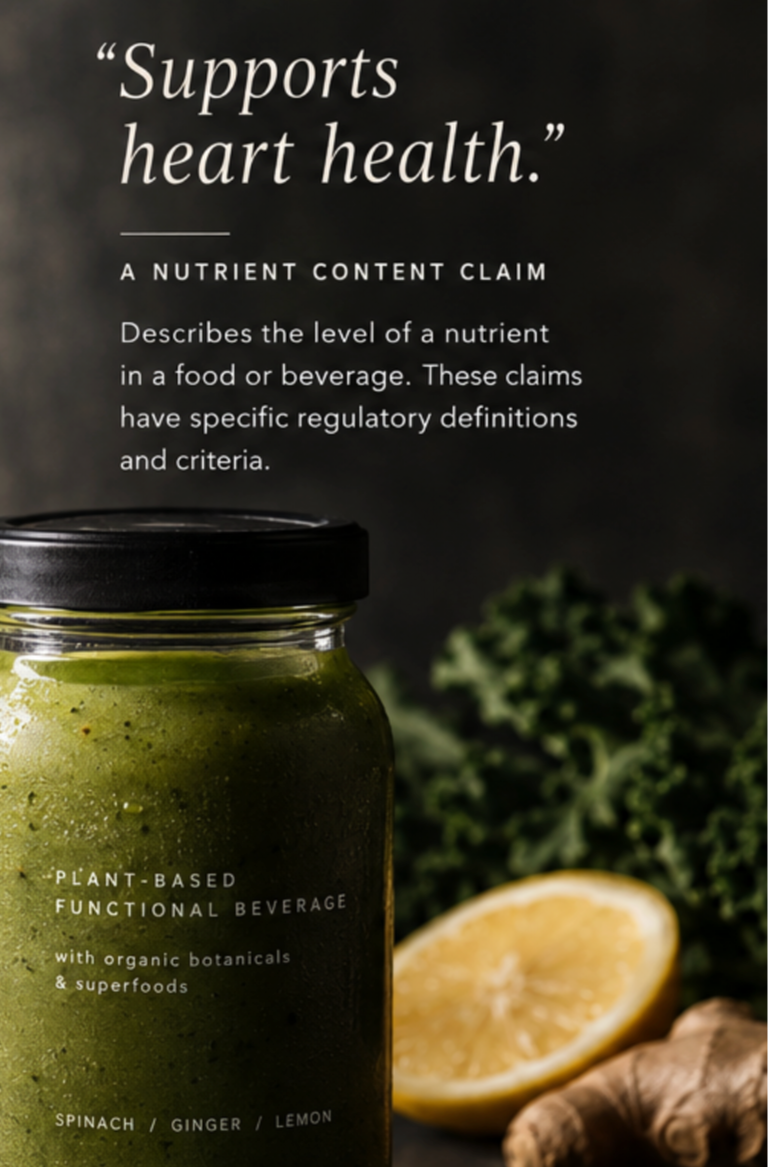
The Fine Line Between Food & Health Claims
The most successful food brands don’t simply ask, “what can we say?” They ask, “what can we substantiate, what does the regulation allow us to say, and how can we communicate the benefit clearly without overreaching?” That’s a much stronger product-development strategy. It also creates an opportunity for brands to communicate science in a way that consumers can actually understand. The key? Regulatory strategy should begin during product development, not after the formula is finished.
Because regulatory compliance doesn’t have to mean boring packaging. It means finding the strongest defensible language for your product.