CLEAN LABEL FOOD
What Brands Need to Know About Developing Better-for-You Food Products
Today's consumers are not just looking for food that tastes good. They are looking for products that fit their health goals, dietary preferences, and expectations for quality.
That means food brands have to think beyond ingredients alone.
A successful better-for-you product requires a balance of nutrition, flavor, texture, functionality, ingredient quality, consumer appeal, and commercial strategy.
Health Starts With the Product Strategy
Is the goal to create a high-protein snack? A lower-sugar beverage? A functional tea? An organic pantry staple? A product rich in a particular nutrient?
These goals influence everything that follows from ingredient selection and formulation to nutrition facts, flavor, positioning, and ultimately the consumer.
Building a Nutrition Profile With Purpose
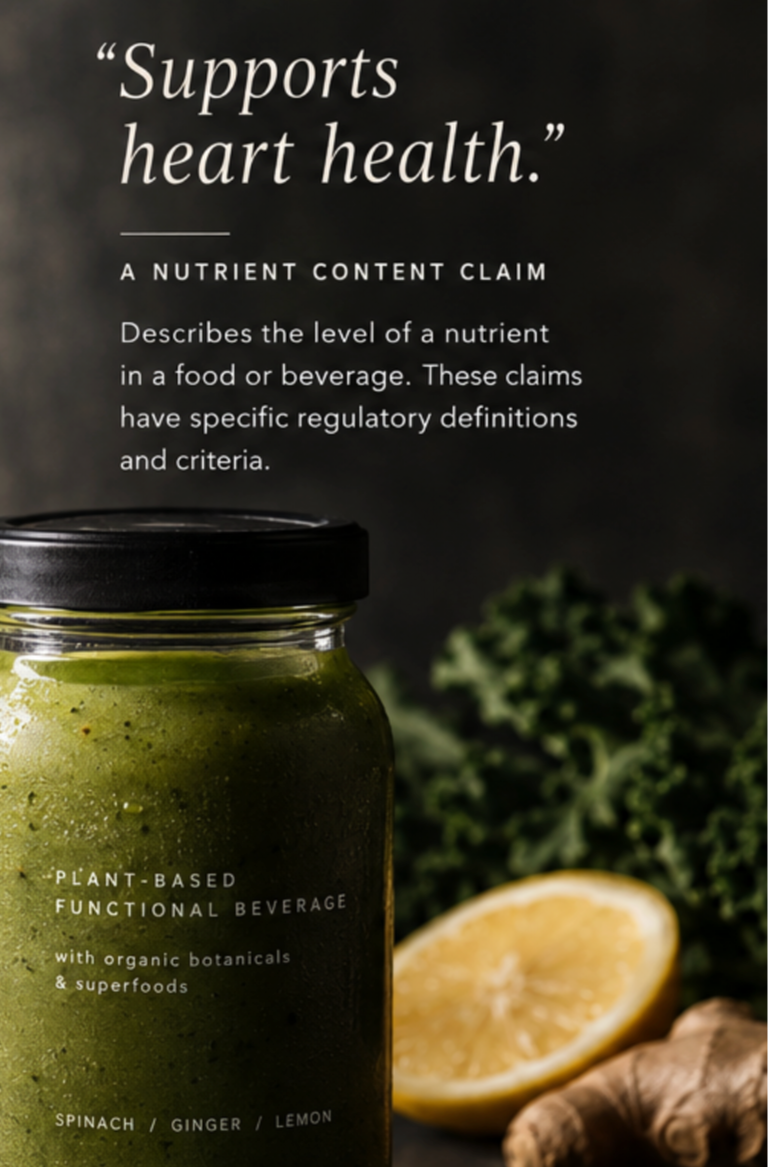
A product may need to meet specific nutritional targets or qualify for particular nutrient-content statements. This can influence the amounts and types of ingredients used throughout the formulation.
Development may involve evaluating:
Protein, fiber, fat, carbohydrate, and sugar targets
Vitamin and mineral contribution
Calorie and serving-size considerations
Ingredient functionality and nutritional value
Nutrient-content statement opportunities
Formulation requirements needed to support the desired positioning
How processing and formulation affect the final nutritional profile
By considering these factors from the beginning, brands can develop products with a clear nutritional purpose and a stronger market position.
Flavor Is Part of the Formulation
Health-conscious consumers still expect their food to taste great.
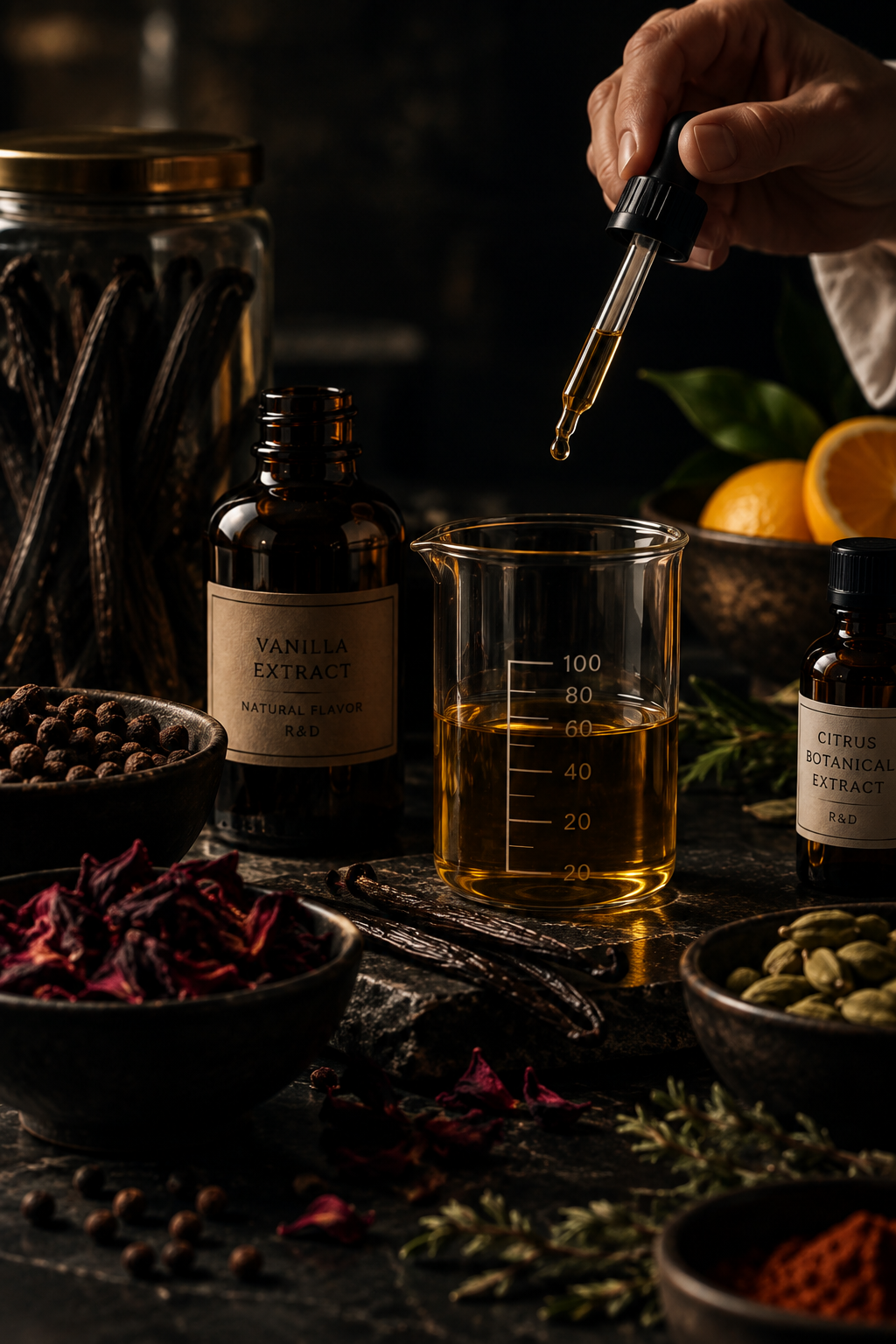
Functional and nutrient-dense ingredients can introduce challenges from bitterness and astringency to earthy, herbal, metallic, or unfamiliar flavor notes. Creating a successful product means understanding how those characteristics interact with the overall flavor profile.
Whether developing a bright botanical beverage, a functional latte, a protein product, or a better-for-you snack, formulation should consider the complete sensory experience:
Flavor → Aroma → Texture → Appearance → Mouthfeel → Aftertaste
The goal is to make the nutritional benefits and ingredient story work without compromising the experience.
Choosing Ingredients That Do More
An ingredient might contribute nutrition, functionality, flavor, color, texture, or consumer appeal, making ingredient selection one of the most important decisions in development.
Ingredient research can help identify opportunities to integrate:
Botanicals and herbs
Whole-food ingredients
Functional ingredients
Plant-based sources of protein and fiber
Naturally occurring vitamins and minerals
Organic ingredients
Flavoring and seasoning systems
Ingredients selected for specific nutritional or functional goals
The objective isn't simply to add more ingredients.
Choosing ingredients that have synergy and harmony to create a better product.
Science Behind the Ingredient
I take a scientific approach to ingredient evaluation, researching available literature to understand nutritional value, functionality, efficacy, mechanisms of action, and relevant evidence.
This research can help inform:
Ingredient selection
Formulation strategy
Product differentiation
Nutritional positioning
Market opportunities
Scientific substantiation
The result is a development process grounded not only in what sounds good on a label, but in what science can support.
From Nutritional Goals to Market-Ready Product
The ingredients selected can influence flavor. Flavor can influence formulation. Formulation affects nutrition. Nutrition can influence positioning. And all of it ultimately needs to work within the realities of manufacturing and cost.
Developing Food With Purpose
At Organic Origins Consulting, we consider nutrition, ingredient science, formulation, flavor, and commercial strategy to help brands develop better food and beverage products.
Whether you have a nutritional target to meet, a flavor profile to develop, an ingredient you want to integrate, or simply an idea for a better-for-you product, development starts by understanding what the product needs to accomplish.
Because the best health-focused products don't ask consumers to choose between nutrition and enjoyment. They make the two work together.

fruits
vegetables
herbs & spices
peppers & chilies
nuts & seeds
protein content
fats & oils
fibers
pre/probiotics
micronutrients
starches
leveners
flours
leveners
salts & minerals Acids & vinegars
emulsifiers
natural preservation
natural colors
extracts
anti-caking agents antioxidants
How to distinguish label claims, functional ingredients, additives, processing aids, and colors without falling for ingredient-list fearmongering.